Address
304 North Cardinal St.
Dorchester Center, MA 02124
Work Hours
Monday to Friday: 7AM - 7PM
Weekend: 10AM - 5PM

Address
304 North Cardinal St.
Dorchester Center, MA 02124
Work Hours
Monday to Friday: 7AM - 7PM
Weekend: 10AM - 5PM

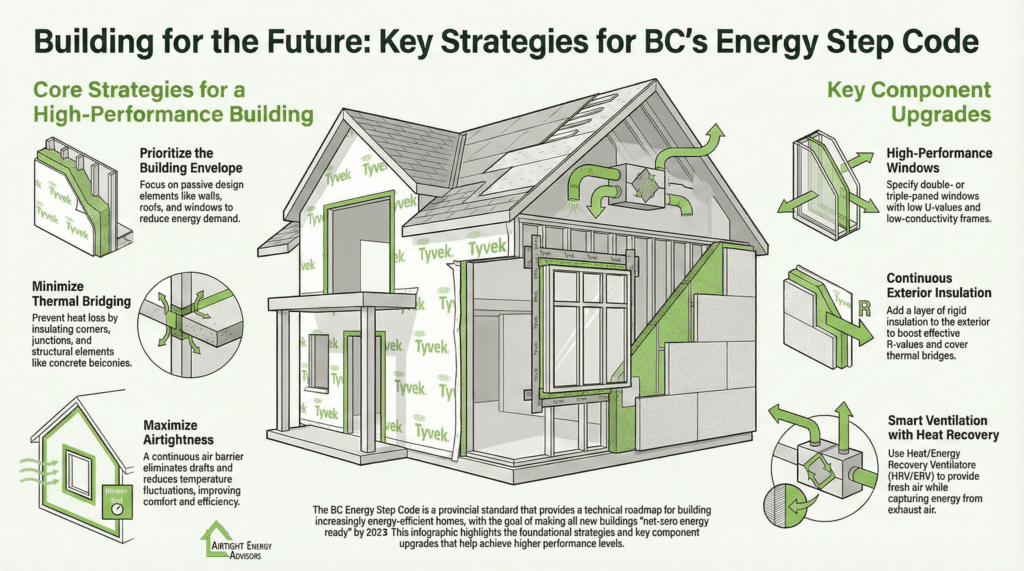
High performance can be achieved without expensive or complex technology. The most cost-effective approach is to prioritize thoughtful design and a strong building envelope before adding mechanical equipment.
For home builders, general contractors, and owner-builders in Nanaimo and surrounding communities, meeting energy performance requirements is about more than selecting insulation or upgrading windows. It is about understanding how the entire home performs and making informed decisions before construction begins.
The opportunity is to meet the required performance target without paying for upgrades your project may not need.
These choices often cost little or save money when made early, while simplifying construction and reducing the size and cost of mechanical systems.
Since 2016, Airtight Energy Advisors has helped builders navigate BC Energy Step Code requirements, using energy modelling and practical building-design guidance to identify cost-effective paths to compliance.
The BC Energy Step Code uses a performance-based approach. Rather than prescribing a single set of construction materials, it allows the design and building team to choose solutions that achieve the applicable performance requirements. Read the Province of BC’s overview of the Energy Step Code.
That flexibility creates opportunities for cost optimization.The building envelope—the walls, roof, foundation, windows and doors—shapes how much heating and cooling a home needs. A well-considered envelope can reduce energy demand before mechanical equipment is selected.
For a Step 4 design, review insulation levels and continuity, window performance, air-barrier details and thermal bridges as a coordinated system. Pay particular attention to wall-to-roof transitions, window openings, corners and balconies. These details affect heat loss and can influence comfort and condensation risk.
Our infographic above highlights common strategies, including continuous exterior insulation and careful management of thermal bridging. Treat these as design considerations, not a universal specification; the right details depend on the project.
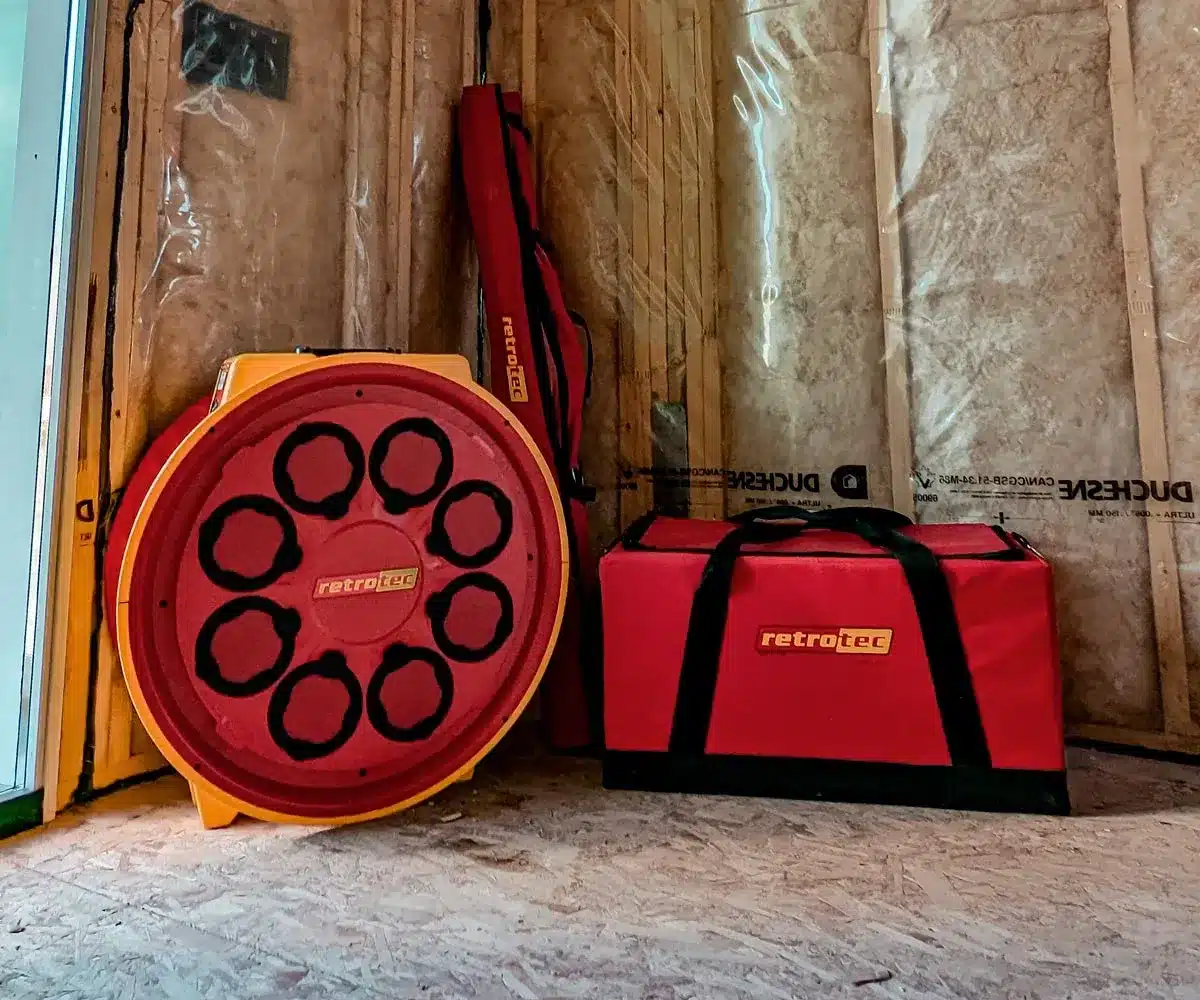
A continuous air barrier helps limit drafts and uncontrolled heat loss. Airtightness depends on clear details and consistent installation, especially around windows, doors, service penetrations and changes in materials.
Plan how the air barrier will connect across the home and decide when the work will be reviewed. A mid-construction check can help catch gaps while they are still accessible. Airtightness testing is part of Step Code compliance; the required approach and targets depend on the applicable code and project pathway. See the Province’s Part 9 checklist and resources.
High-performance windows can reduce heat loss and improve comfort near the glass. Compare whole-window performance, frame construction, installation details and orientation—not just the glazing description. Proper installation and connection to the air and water control layers matter too.
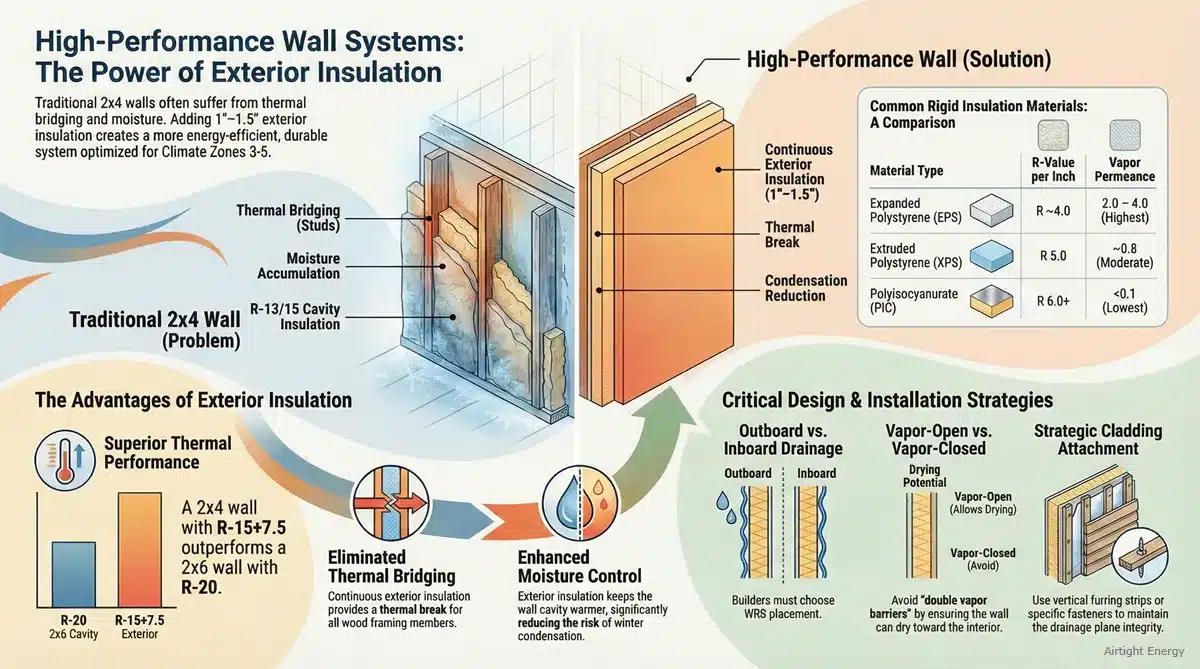
Continuous exterior insulation can improve effective wall performance and reduce thermal bridging. It must also be coordinated with rain control, drying potential, cladding attachments and window detailing. Evaluate the full wall assembly in the context of the energy model.
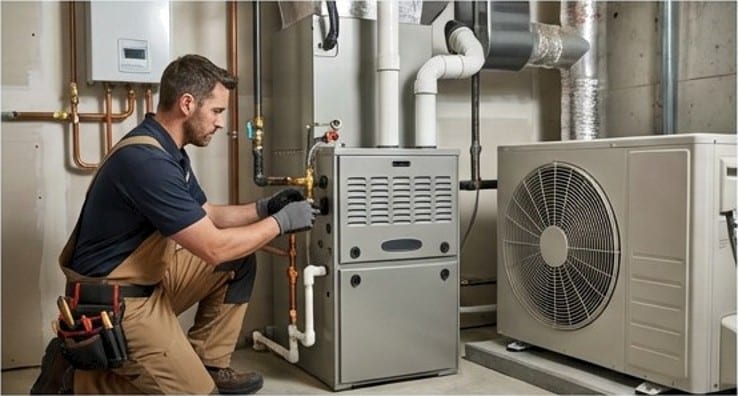
As homes become more airtight, planned mechanical ventilation is important for indoor air quality. An HRV or ERV can recover energy from exhaust air while supplying fresh air, but equipment selection, duct layout, controls and commissioning all affect performance.
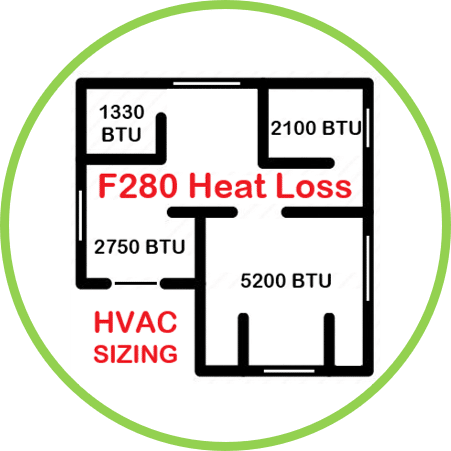
Heating equipment should be sized for the home’s design heat loss. An F280 heat loss calculation can inform equipment sizing and HVAC design. Energy modelling serves a related but different purpose: it assesses whole-building energy performance. Coordinate both with the envelope and ventilation strategy to reduce the risk of mismatched equipment or late design changes.
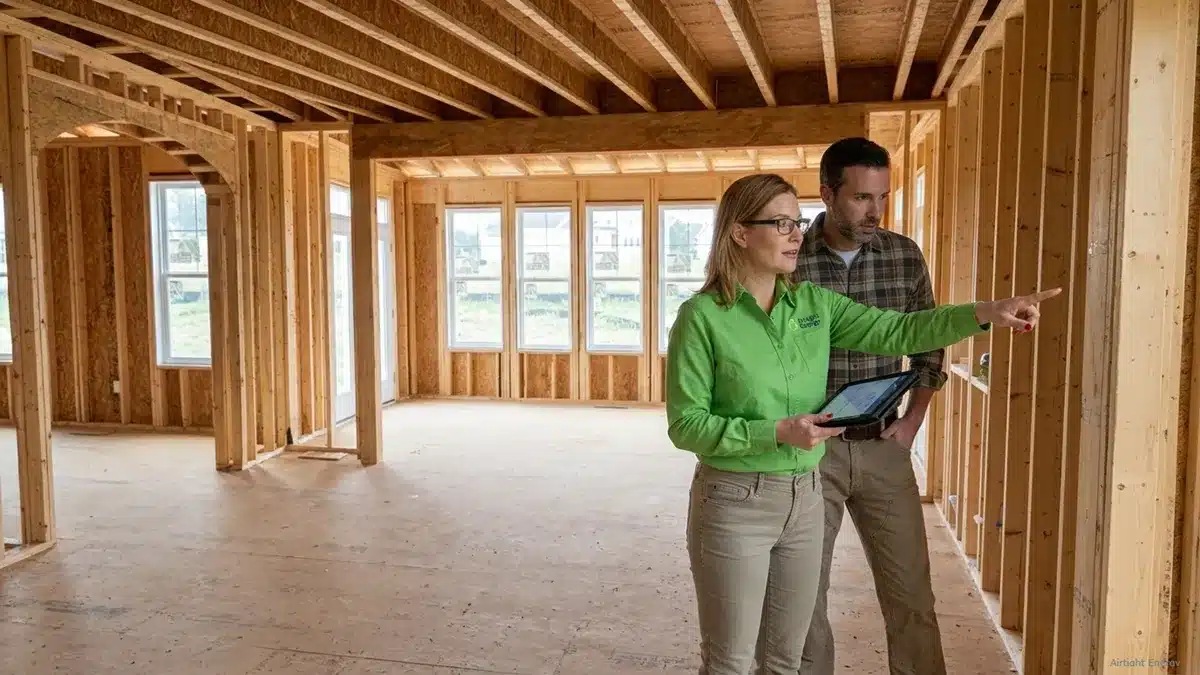
Energy modelling can help compare upgrade combinations for a specific home. Reviewing options during design gives builders and designers a chance to align the model with plans, specifications and construction details before permit submission.
BC Energy Step Code requirements depend on location and permit date, and local governments may set higher requirements than the provincial minimum. Check the rules for the specific project with the relevant authority and team. The Province’s Step Code requirements page explains how these requirements are determined.
For practical examples, see BC Housing’s 2025 Builder’s Visual Guide, which presents strategies drawn from real-world projects, and the guide PDF.
A pre-permit review can help identify issues early, when changes are generally easier to coordinate than after construction is underway.
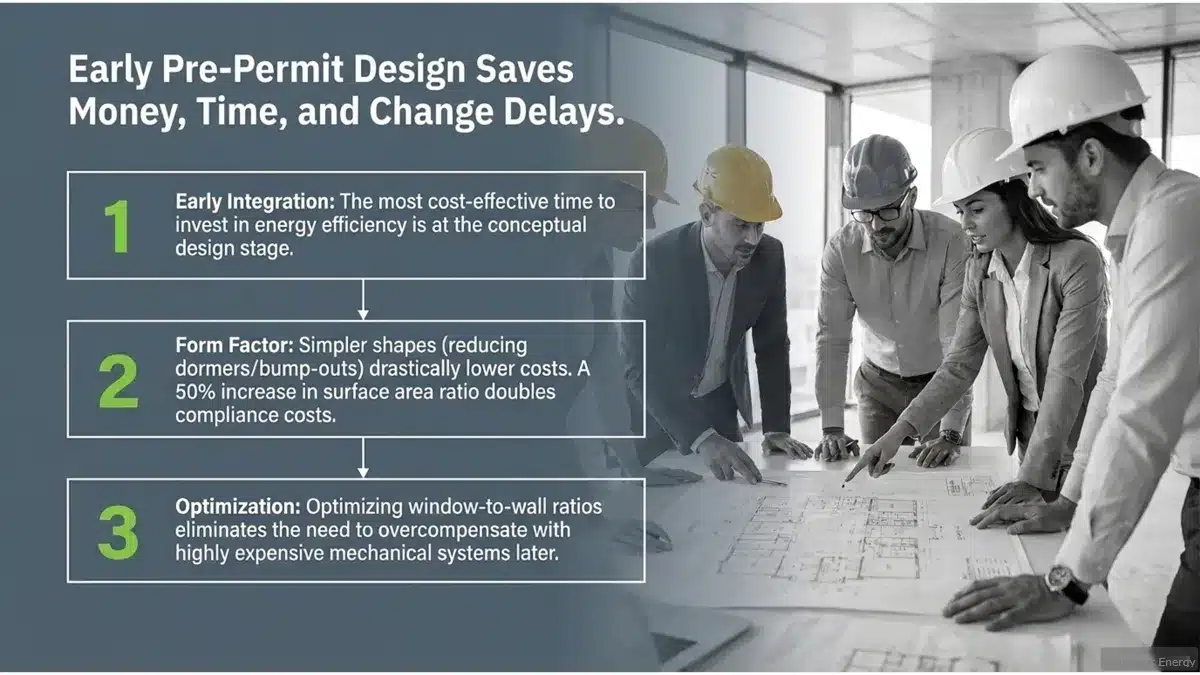
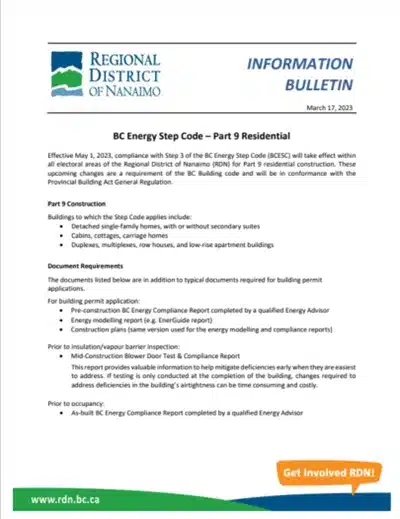
Airtight Energy Advisors provides energy modelling and Step Code compliance support to help builders understand their project’s requirements and assess practical options.
Working through the performance targets and design choices early gives the project team a clearer basis for decisions about the building envelope, windows, airtightness, and mechanical systems.
With experience serving BC builders since 2016, Airtight Energy Advisors understands the value of a practical approach that connects compliance requirements with construction decisions.
Whether you are planning a new home in Nanaimo or a nearby community, early consultation can help you identify questions that should be resolved before the design and budget are finalized.
You do not have to make every energy-performance decision in isolation. A project-specific discussion can help clarify applicable requirements, modelling needs, and opportunities to compare design options.
Send Your Questions to Airtight Energy Advisors
Phone: 250-740-5791
Email: bgray@energyadvisor.pro
Contact Airtight Energy Advisors to discuss your project and explore cost-conscious approaches to BC Energy Step Code compliance.
Airtight Energy Advisors — Helping BC Builders Achieve Step Code Compliance Cost-Effectively Since 2016.
Main Services
XYZ Company has been a game-changer. Our online engagement and conversions significantly increased, leading to a 30% rise in leads in three months!
Emily Johnson
Construction Manager

Struggling to grow online, XYZ Company provided the perfect solution. Their tailored approach made a huge difference; my sales have doubled.
David Smith
Developer
XYZ Company transformed our platform. Their expertise boosted traffic and improved satisfaction, consistently giving us higher average order values.
Sophia Miller
Owner Builder